Weight Loss Through Cycling and Running: A Data-Driven Approach
Weight Loss Through Cycling and Running: A Data-Driven Approach
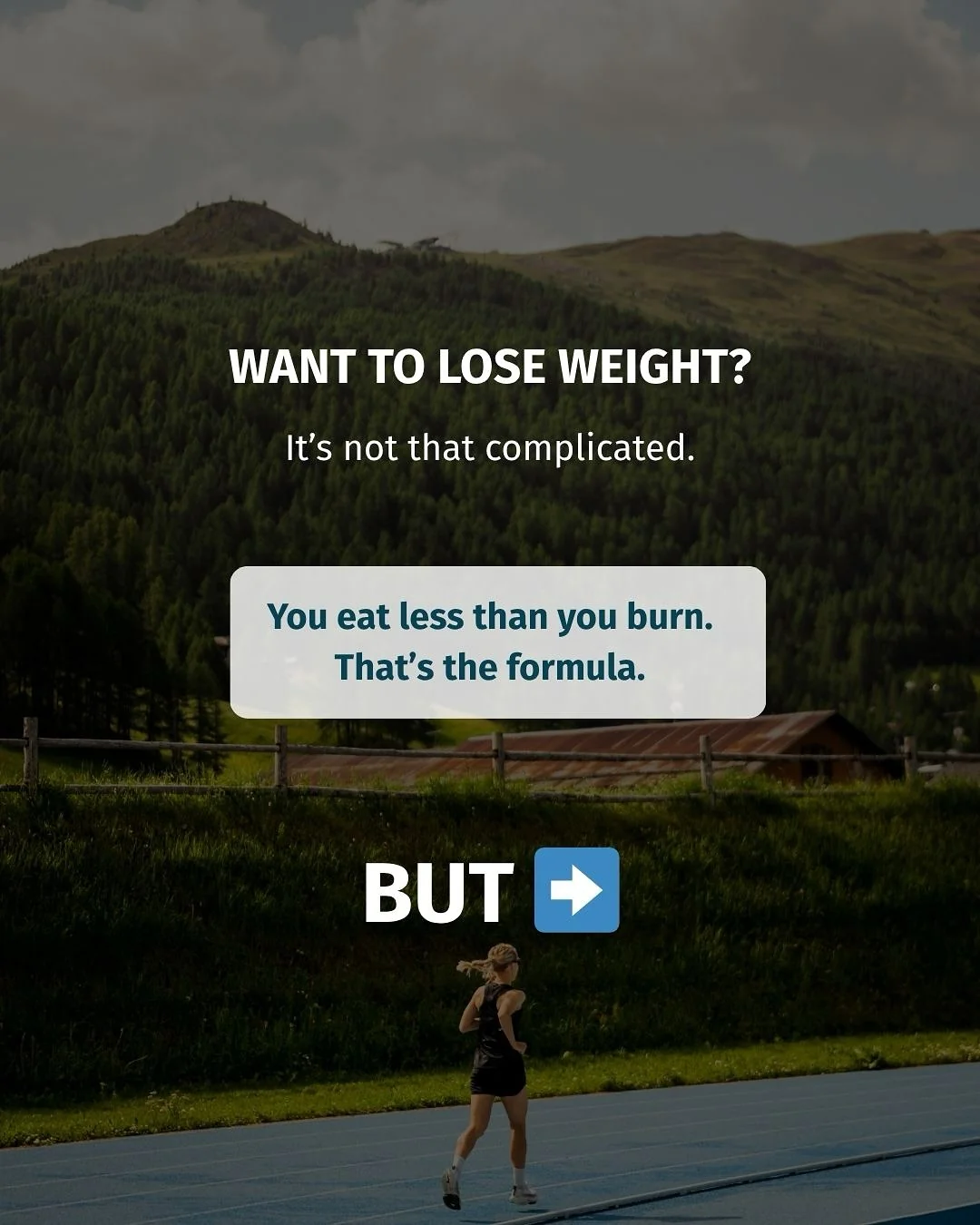
Most people think weight loss is about discipline, willpower, or cutting out everything they enjoy. But if you're a cyclist or runner who wants to lose weight without losing power, the approach needs to be smarter than just "eat less, move more."
The real question isn't how much you train — it's how you train and what your body actually burns while doing it.
Why Crash Diets Fail for Athletes
Crash diets create large calorie deficits that force your body into survival mode. The result: your body breaks down muscle for energy, your metabolism slows, and your performance drops. You may lose weight on the scale, but you lose the wrong kind of weight — lean mass instead of fat.
For endurance athletes, this is a disaster. Less muscle means less power. A slower metabolism means you plateau faster. And the rebound effect after the diet? Almost guaranteed.
The FATmax Zone: Your Body's Fat-Burning Sweet Spot
Every athlete has a specific intensity where their body burns the highest amount of fat per hour. This is called the FATmax zone. It's not a generic "fat burning zone" from a heart rate chart — it's an individually measured intensity based on your actual physiology.
A Faster You determines your personal FATmax zone through the Powertest. The test measures your substrate partitioning — how your body splits energy between fat and carbohydrates at every power output. This means you know exactly how many grams of fat you burn per hour at each watt.
Why Zone 2 Is Optimal for Fat Loss
Zone 2 training — long, steady endurance rides and runs at moderate intensity — sits right around the FATmax zone for most athletes. At this intensity:
- Fat oxidation is at its peak. Your body relies primarily on fat as fuel.
- You can sustain the effort for hours. Longer sessions mean more total fat burned.
- Recovery is fast. You can train again the next day without accumulated fatigue.
- Muscle is preserved. Low-intensity work doesn't trigger the catabolic stress response that high-intensity sessions do.
This is the opposite of what many athletes do — hammering hard intervals hoping to "burn more calories." While high-intensity training burns more calories per minute, a larger share of those calories comes from carbohydrates, not fat. And the fatigue from constant high-intensity work makes it harder to maintain training volume.
Substrate Partitioning: See Exactly What You Burn
This is where data changes everything. With A Faster You's substrate tracking, you don't guess — you see. For example, at 180W you might burn 52g/h of fat and 38g/h of carbohydrates. At 250W, that shifts to 22g/h of fat and 89g/h of carbs.
Knowing these numbers lets you:
- Target fat-burning sessions by training at your FATmax intensity
- Plan calorie deficits precisely — you know exactly how much energy you spent and from which source
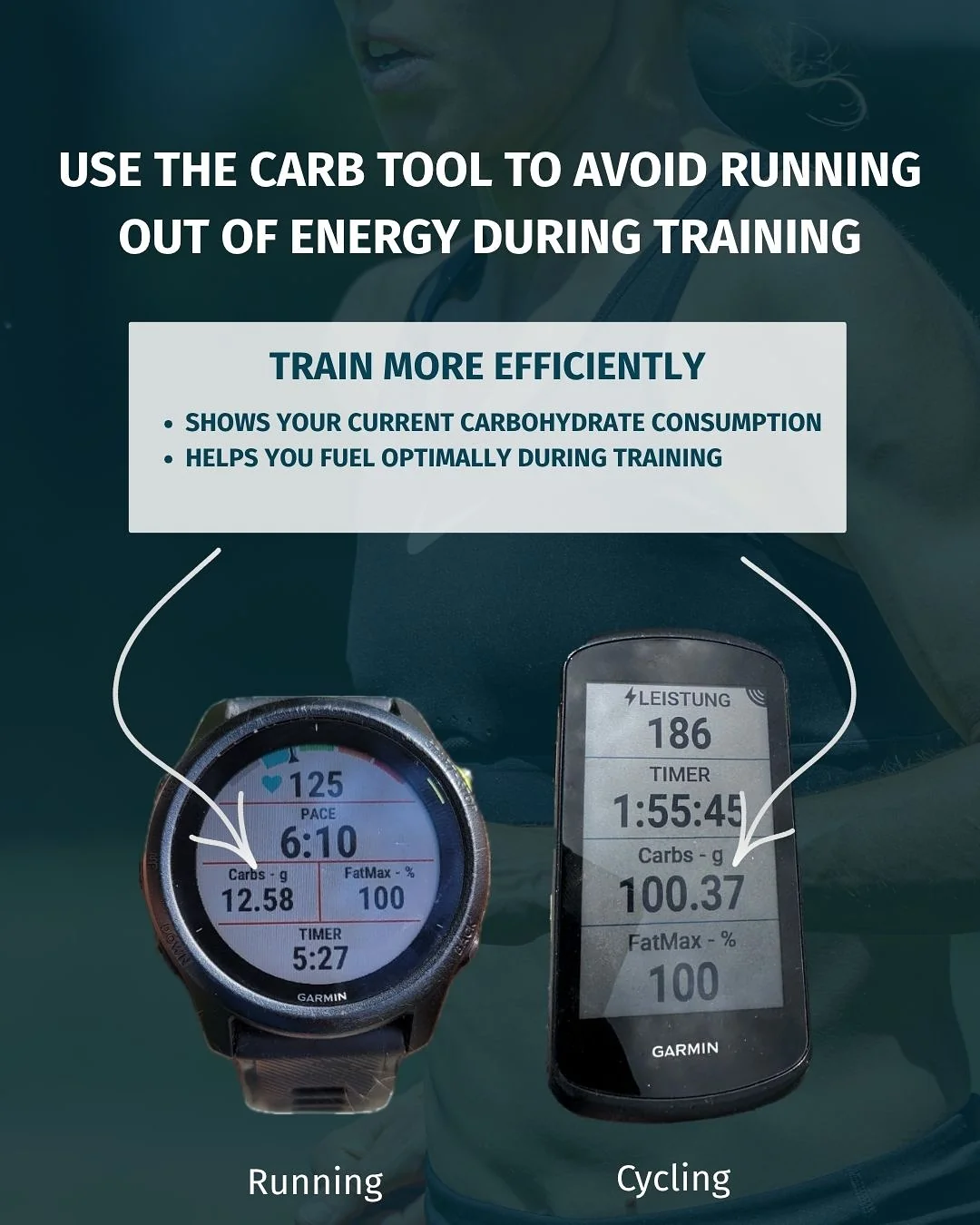
- Avoid under-fueling on hard days where carbohydrate burn is high
Common Mistakes Athletes Make When Losing Weight
Too much intensity
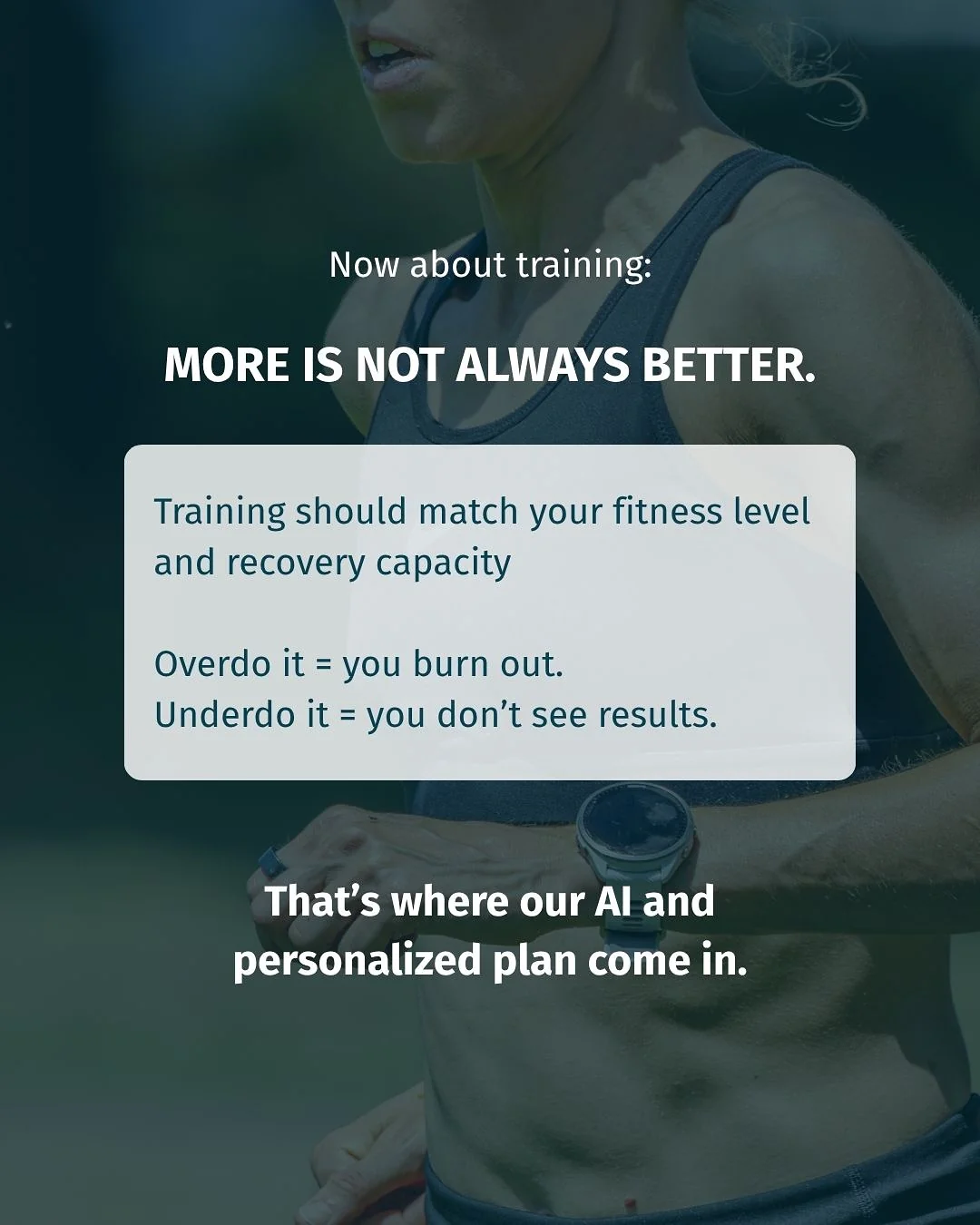
Going hard every session burns carbs, not fat. It also creates fatigue that leads to overeating and poor recovery. More Zone 2, less Zone 5.
Too little eating
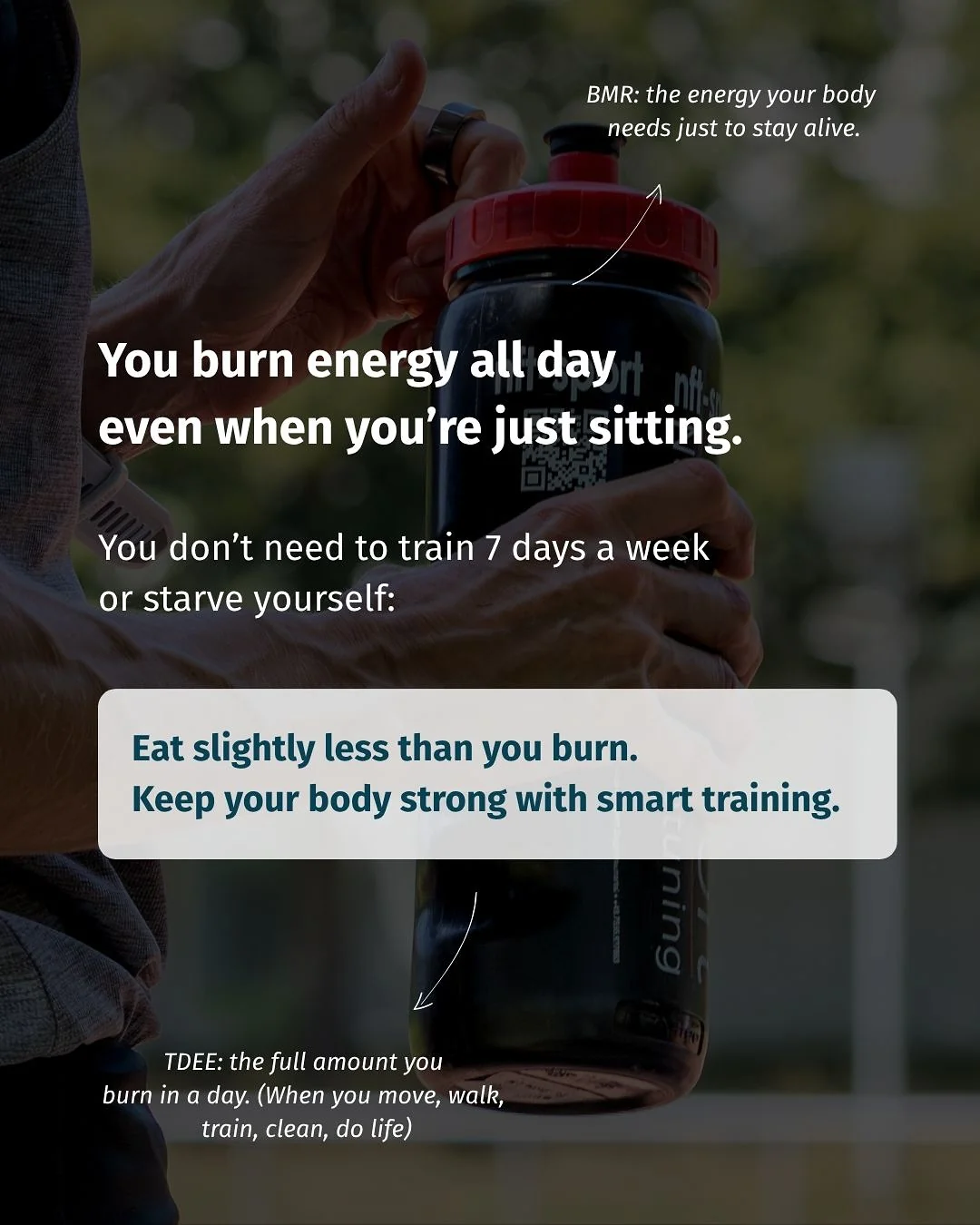
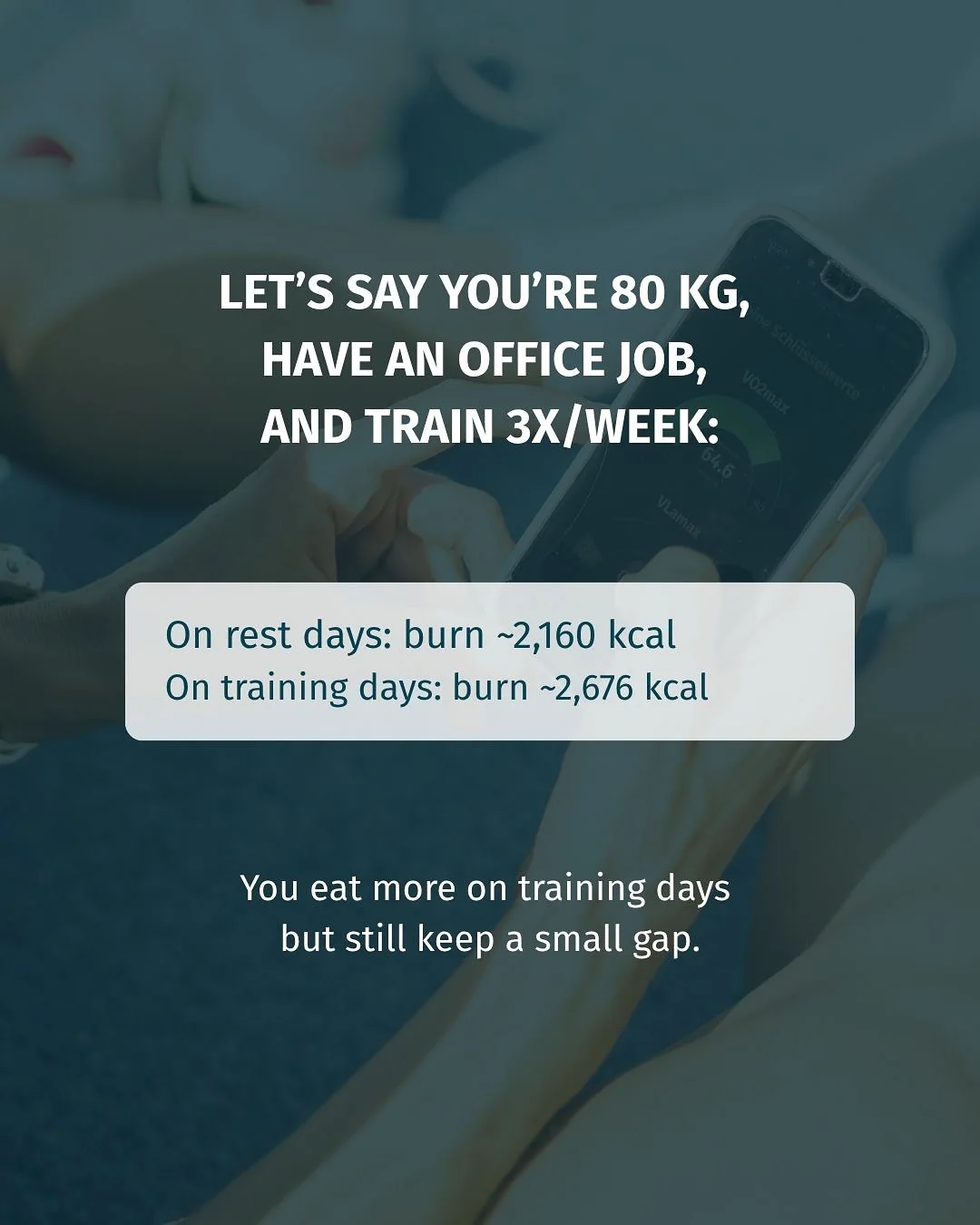
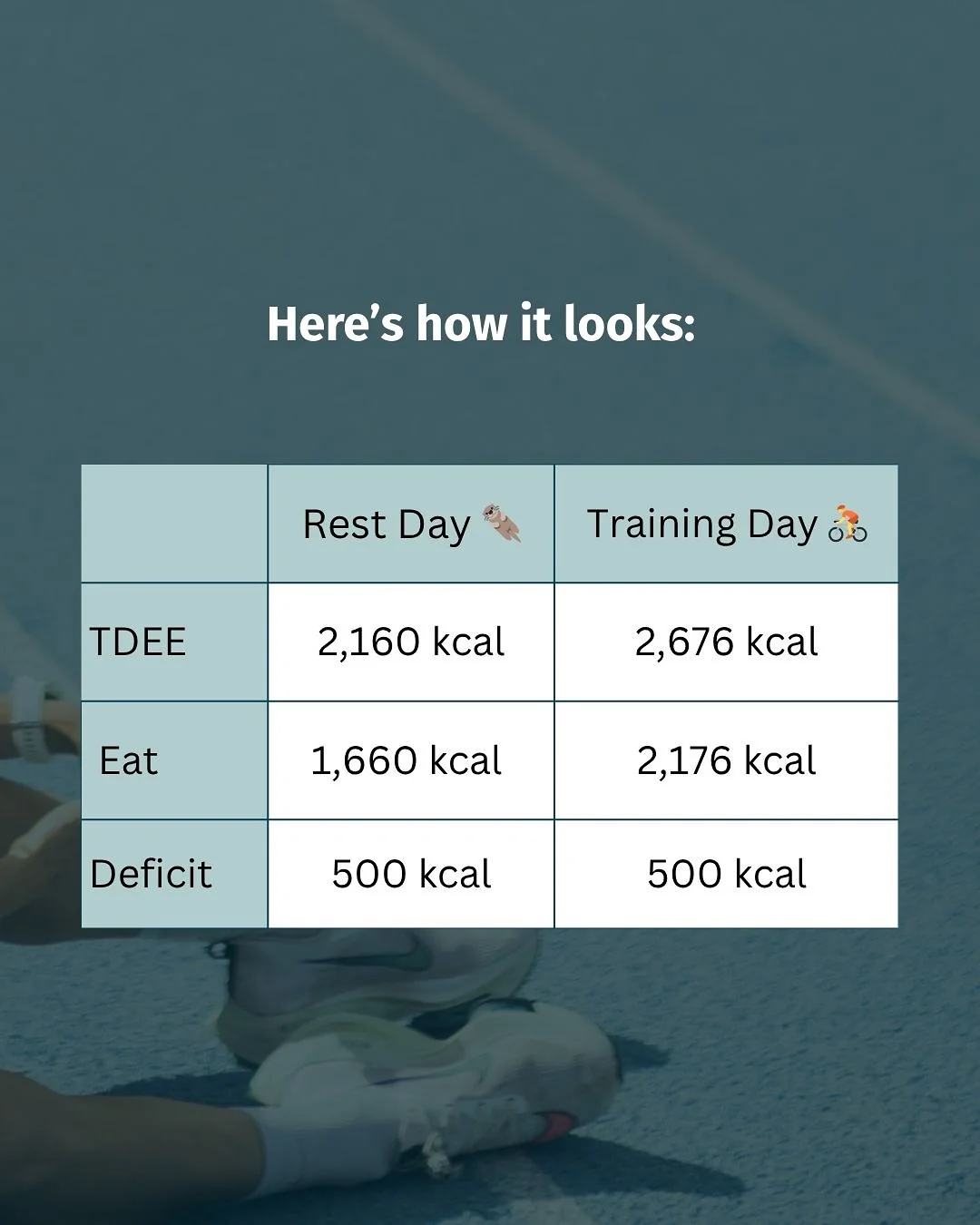
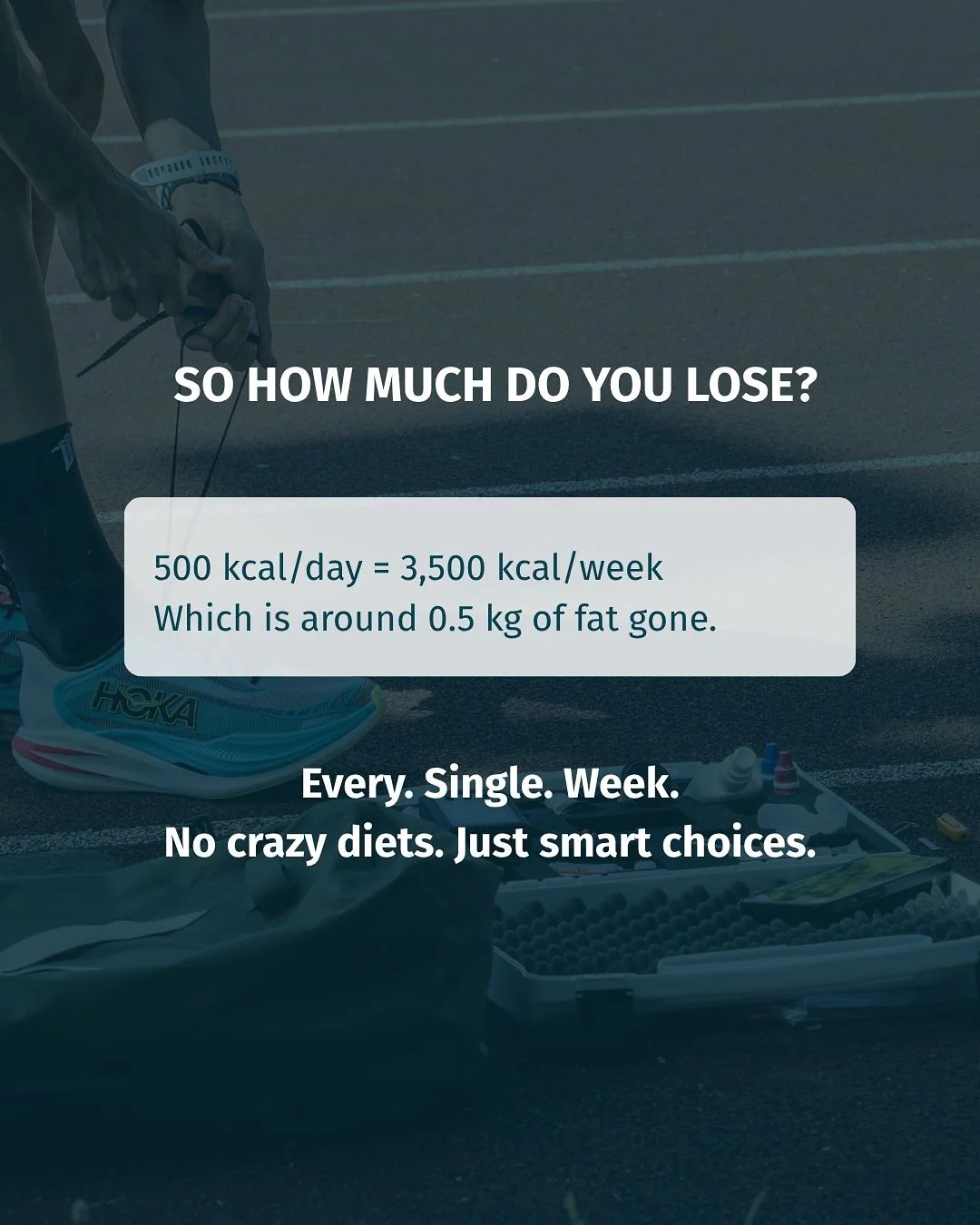
A deficit of 300–500 kcal per day is effective and sustainable. Larger deficits tank your performance and increase muscle loss. Fuel your hard sessions properly — create the deficit on easy days.
Ignoring protein
During a calorie deficit, protein intake becomes even more critical. Aim for 1.6–2.0 g/kg body weight to preserve muscle mass.
No data, just guessing
Without knowing your actual substrate partitioning, you're guessing how much fat you burn. A Powertest removes the guesswork entirely.
Practical Tips for Data-Driven Weight Loss
- Get your baseline. Take the Powertest to know your FATmax zone and substrate partitioning.
- Build your week around Zone 2. 3–5 sessions per week at FATmax intensity for 60–120 minutes.
- Create a moderate deficit. 300–500 kcal/day, primarily on rest and easy days.
- Fuel hard sessions. On interval days, eat enough carbs to perform. The deficit comes from easy days.
- Track progress weekly. Weight fluctuates daily — look at weekly averages and performance trends.
- Be patient. 0.3–0.5 kg per week is sustainable and preserves performance.
The Bottom Line
Weight loss for athletes isn't about suffering through diets or crushing yourself in training. It's about training in the right zone, knowing what your body burns, and creating a smart calorie balance that preserves your power.
The data makes it simple. Your FATmax zone tells you where to train. Substrate partitioning tells you what you burn. And a moderate deficit does the rest — without wrecking your performance.
Ready to find your FATmax zone? Take the Powertest and start training smarter — or create your free account to get started.