🇦🇹👀 The Ötztaler Cycle Marathon is one of the most challenging cycling events, known for its dema...
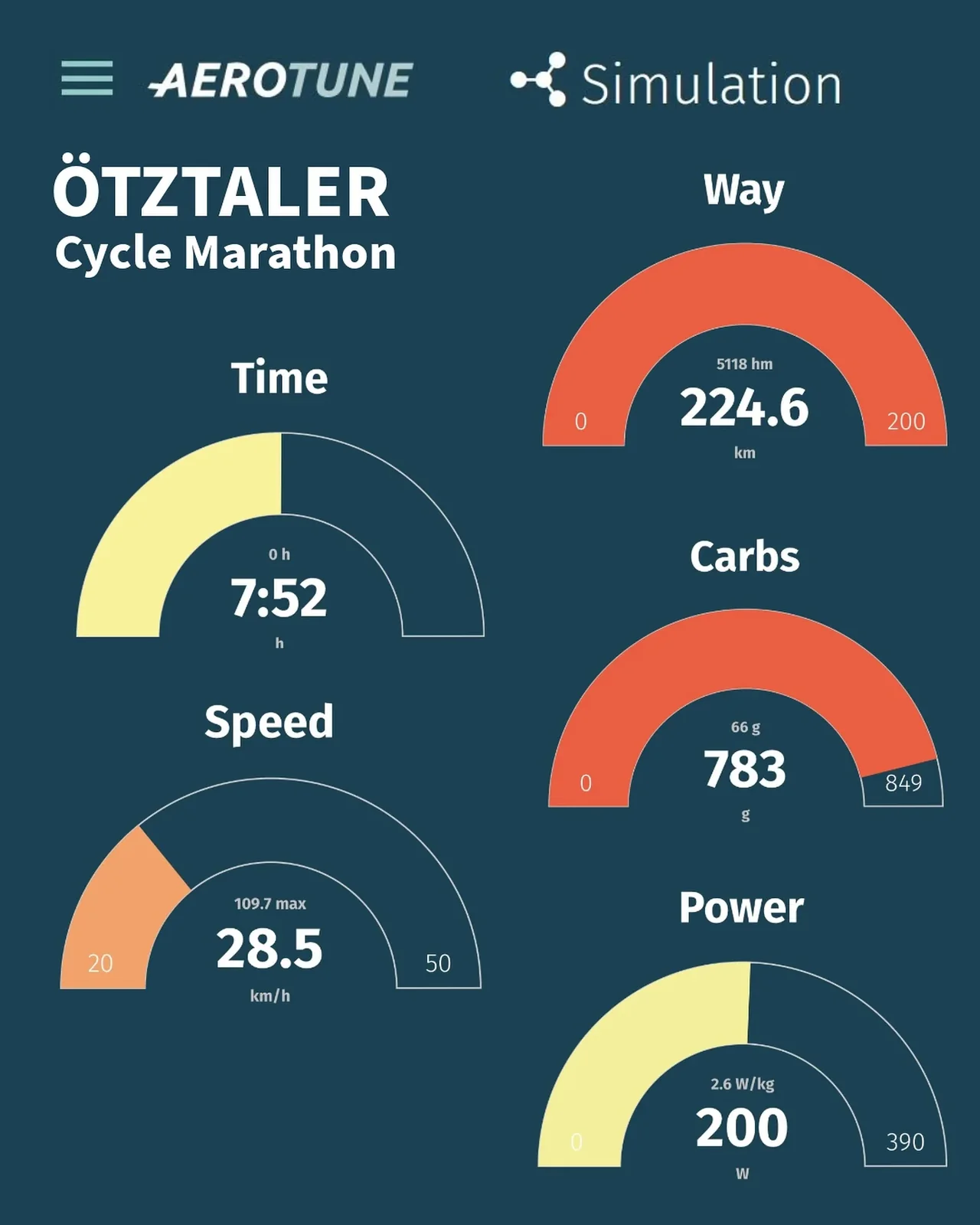
The Ötztaler Cycle Marathon stands out as one of the most grueling cycling events in the world, renowned for its challenging elevation and long distance. Set against the breathtaking backdrop of the Austrian Alps, this prestigious race pushes participants to their limits, demanding not just physical strength but also mental endurance. Covering a staggering distance of approximately 224.6 kilometers, riders face over 5,000 meters of elevation gain, making it a true test of endurance and pacing.
To give you a glimpse into what to expect, let’s dive into some simulation results that analyze key performance metrics for this epic marathon. Understanding these factors can help you prepare for the challenges ahead.
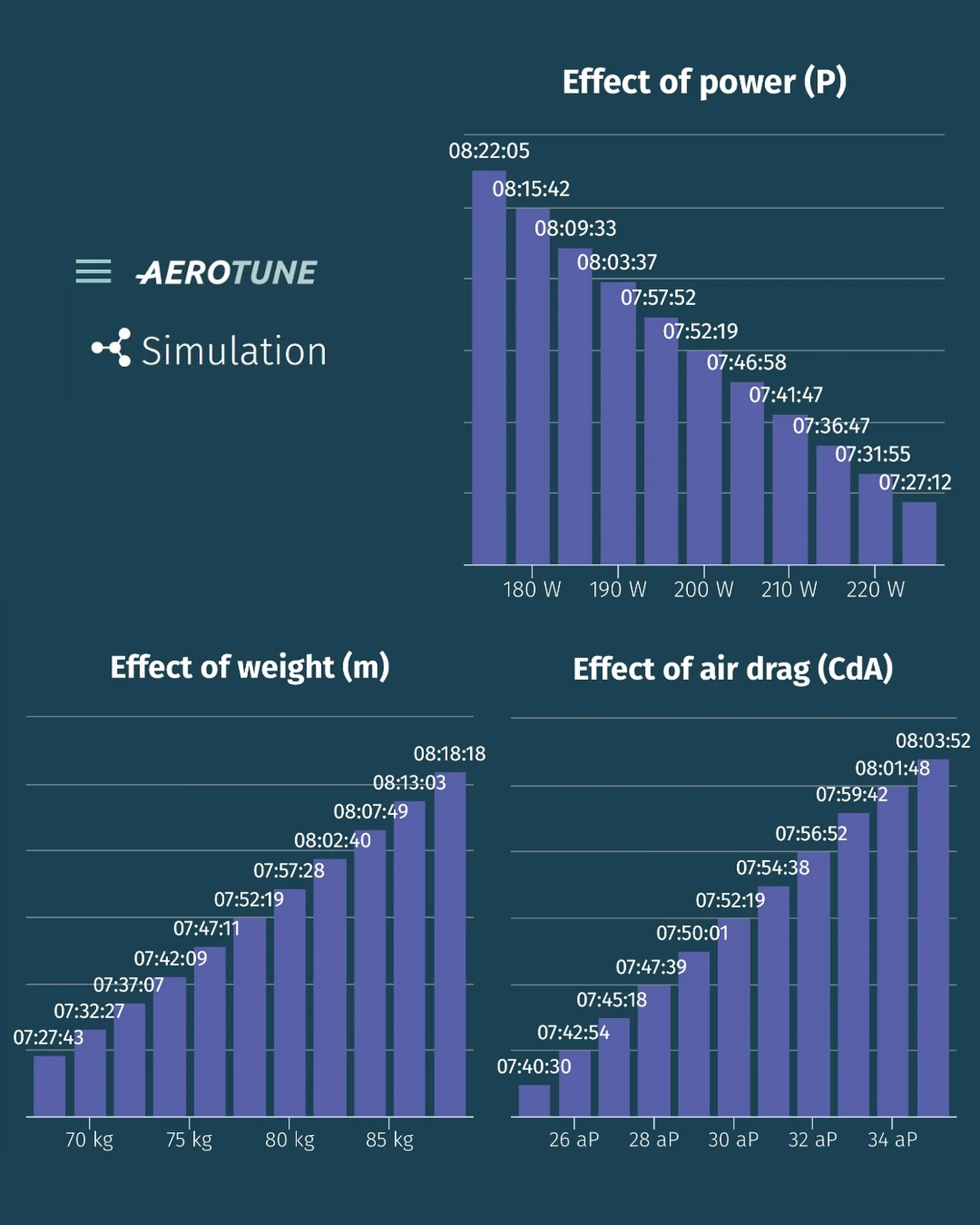
First up is the predicted finish time. For many riders, the target is around 7 hours and 52 minutes. However, this outcome is heavily influenced by various elements such as power output, body weight, aerodynamics, and even the weather on race day.
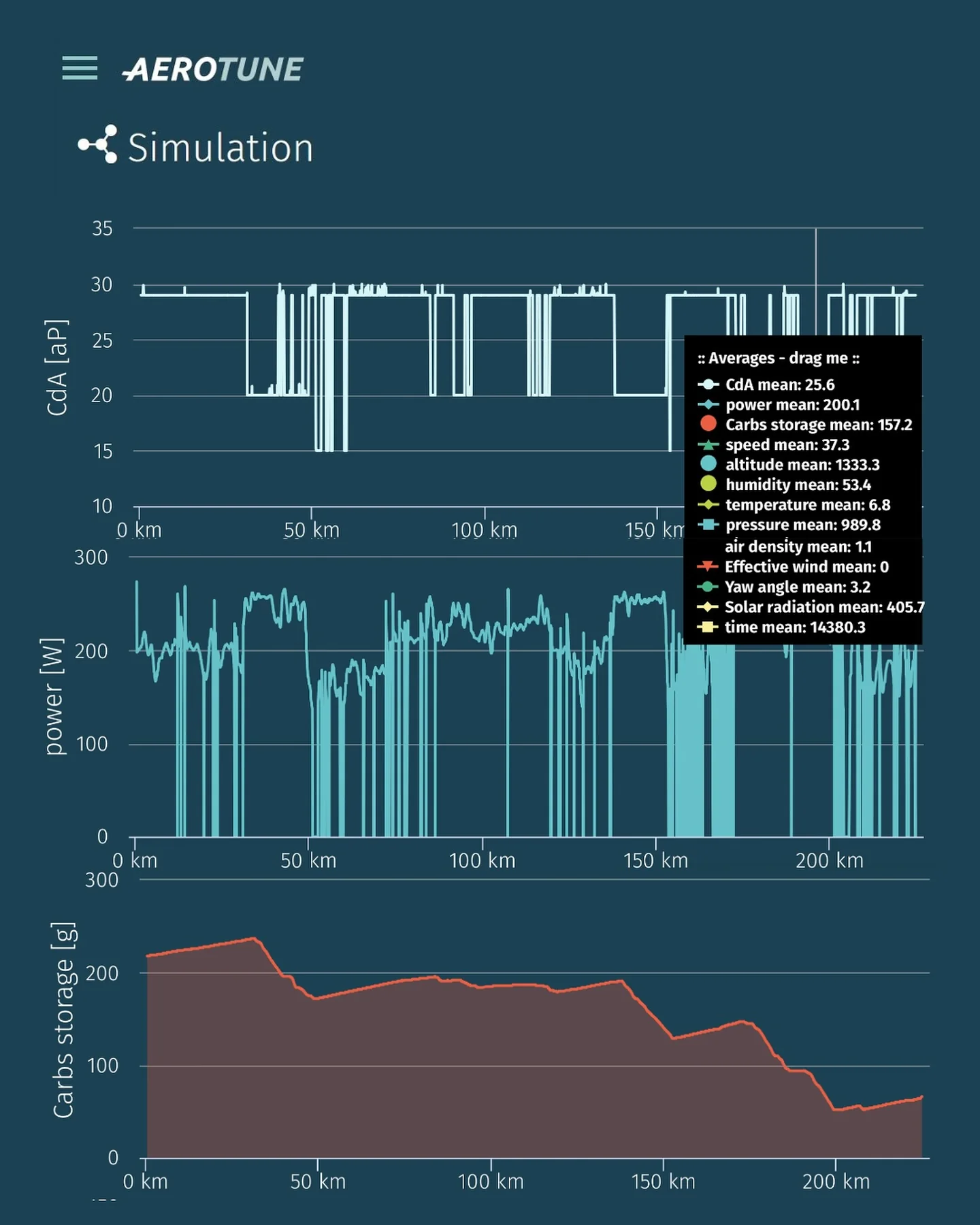
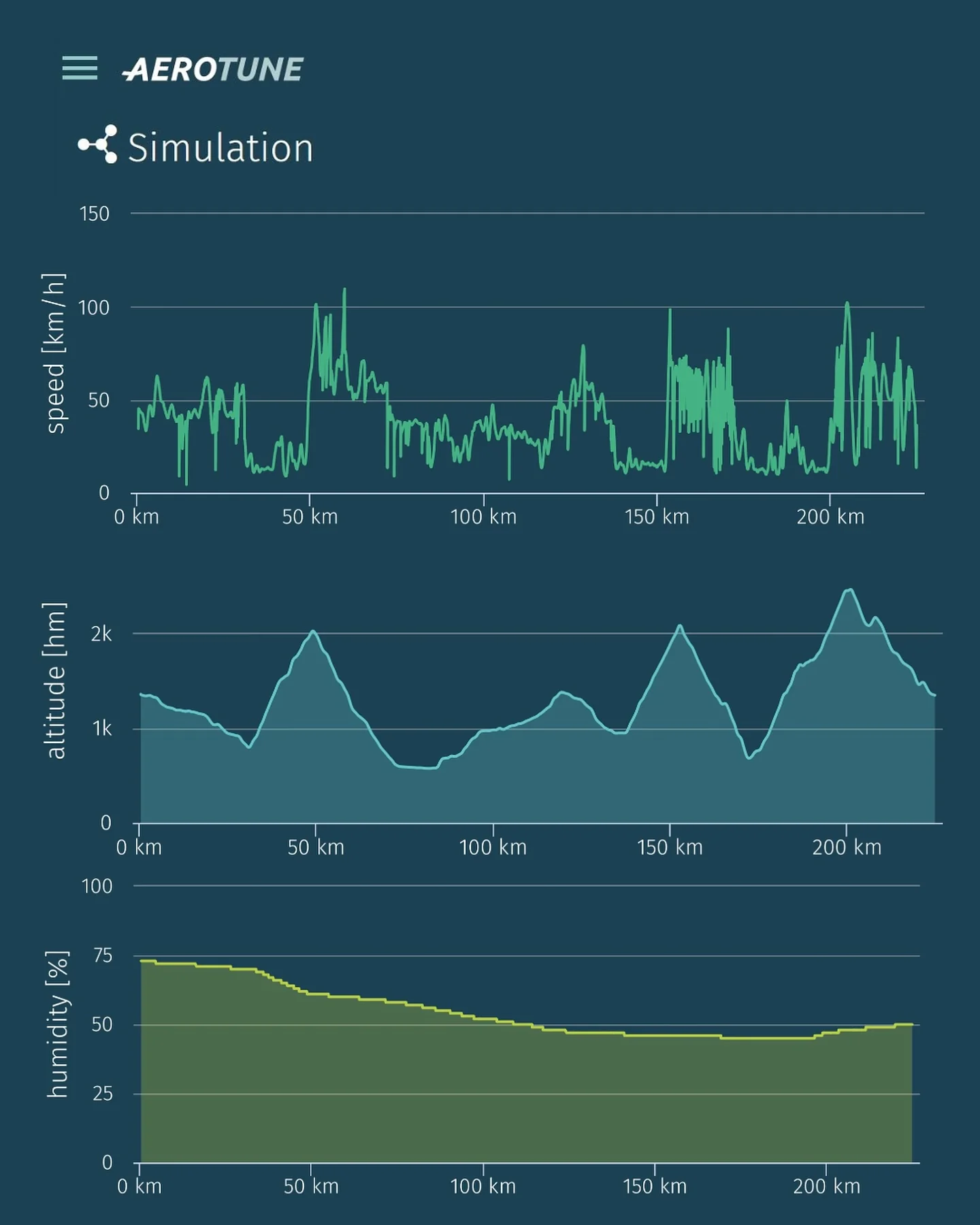
Next, let’s talk about aerodynamic drag, which can significantly affect your performance. Throughout the race, the drag coefficient varies, typically ranging from 15 to 30 CdA. You’ll encounter lower drag values during faster segments or downhill sections, while the climbs will see higher drag due to a less significant role of aerodynamics.
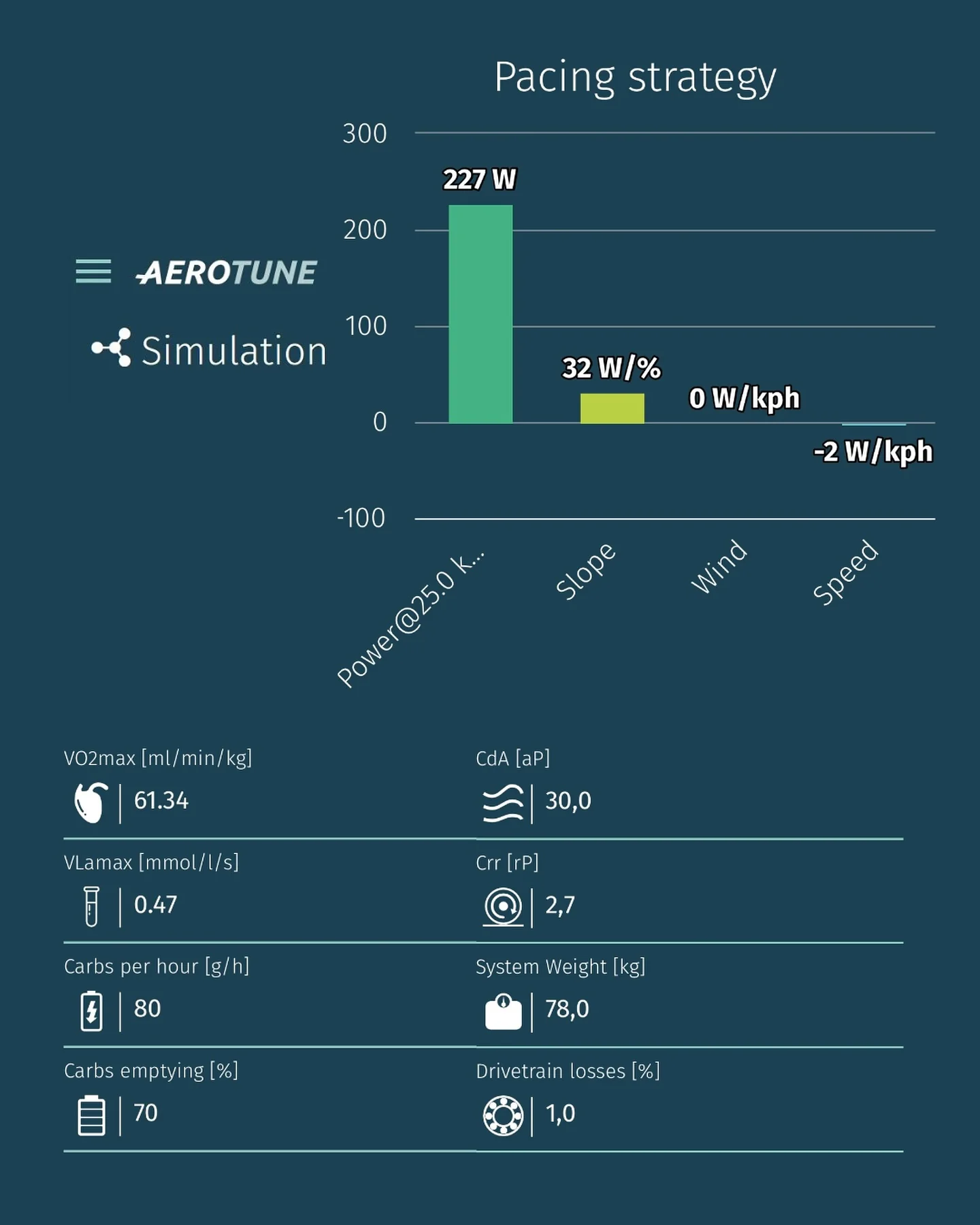
Power output is another critical metric that fluctuates throughout the race. Expect to see peaks and troughs in your power output, particularly during those steep climbs and exhilarating descents. The simulations suggest that an average power output of about 200 W is consistent with what many riders experience during the race.
Carbohydrate management is vital as well. The simulations indicate that carbohydrate levels drop steadily throughout the event, emphasizing the importance of refueling during the ride. After around 150 kilometers, you’ll find that replenishing your carbs becomes crucial to avoid hitting the wall. On average, riders will consume about 783 grams of carbohydrates to meet the high-energy demands of the course.
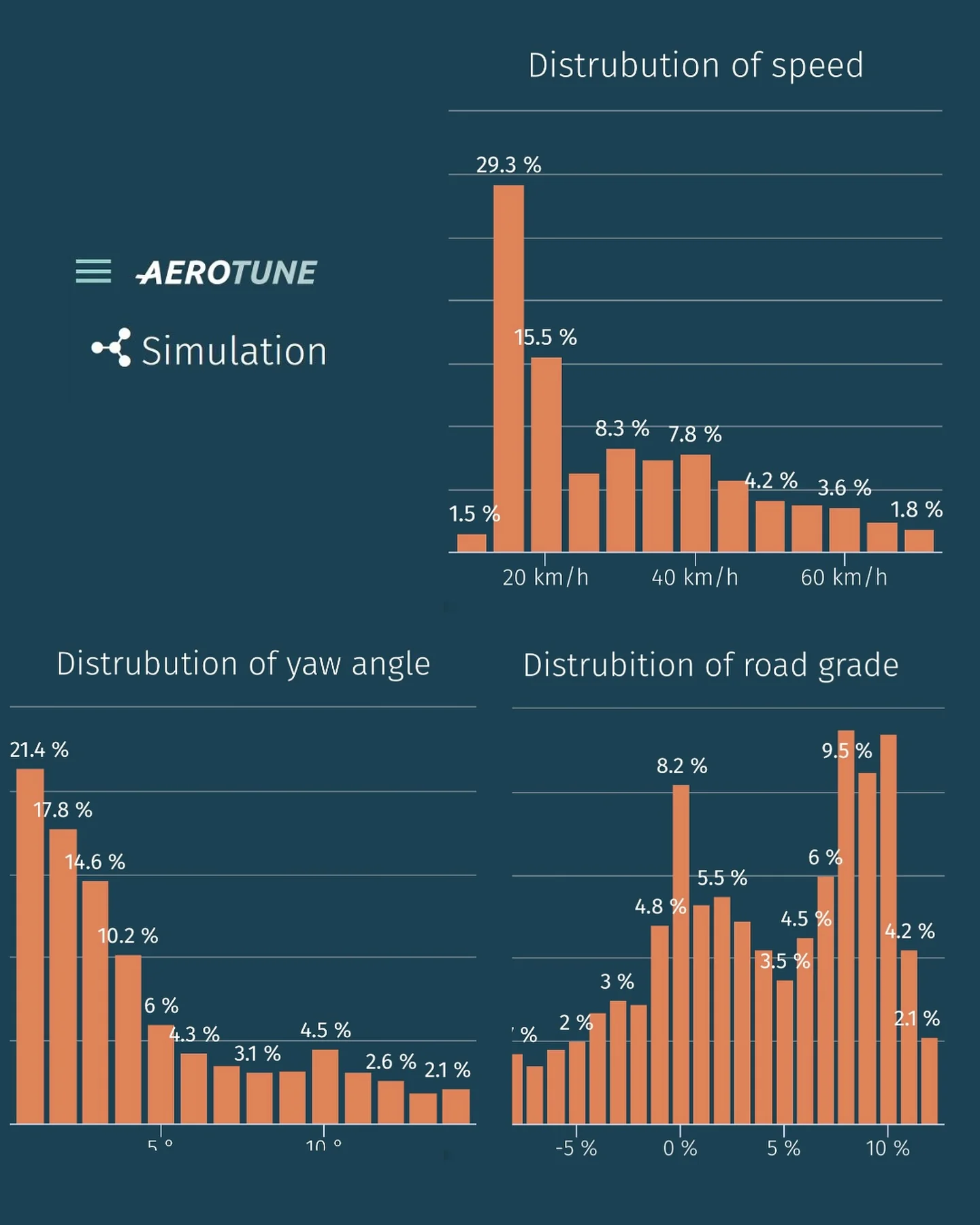
Finally, altitude plays a significant role in the race profile. With several major climbs reaching over 2,000 meters, these high-altitude challenges are among the toughest parts of the marathon. The adaptation of each athlete to these conditions can greatly impact their performance. Poor adaptation can lead to a performance loss of 15-25%, especially if carbohydrate intake is insufficient during the ride.
So, are you thinking about taking on the Ötztaler Cycle Marathon this year? If you’ve raced it before, how did you fare? What was your finish time? Whether you’re a seasoned rider or contemplating your first attempt, this marathon promises to be an unforgettable experience.
View original post on Instagram
Tags: #aerotune #afasteryou #endurancesports #cyclinglife #aerodynamics #aerotest #performanceoptimization #endurancetraining #enduranceathlete #cyclingtraining #cyclingteam #performancecoaching #cycling #cyclinglife