Heart Rate Training: Why a Chest Strap Changes Everything
Heart rate is one of the most accessible and powerful metrics in endurance training. But not all heart rate data is created equal. If you are relying on a wrist-based optical sensor, you might be training in the wrong zones without even knowing it.
In this article, we break down why a chest strap matters, how heart rate zones actually work, and what you can do to get truly personalized training guidance.
Chest Strap vs. Wrist Sensor: The Accuracy Gap
Optical wrist sensors measure heart rate by shining light through your skin and detecting blood flow changes. It works reasonably well at rest, but during exercise the picture changes dramatically.
Studies consistently show that wrist-based sensors have an error margin of 5-15%, especially during high-intensity efforts, intervals, and activities with wrist movement. A chest strap, by contrast, uses electrical signals (similar to an ECG) and typically achieves 1-2% accuracy compared to medical-grade monitors.
What does a 10% error look like in practice? If your actual heart rate is 160 bpm, a wrist sensor might read anywhere from 144 to 176 bpm. That is the difference between an easy endurance ride and a threshold effort. Training decisions based on inaccurate data lead to sessions that are too hard on easy days and too easy on hard days.
Why Accurate Heart Rate Matters for Training Zones
Heart rate zones are the foundation of structured endurance training. They tell you how hard to go during each workout, when to push, and when to hold back. But zones only work if the data feeding them is accurate.
With a chest strap, you get reliable, beat-by-beat data that lets you:
- Stay in the correct zone during long endurance sessions
- Hit precise intensity targets during intervals
- Monitor cardiac drift during extended efforts
- Track recovery heart rate after hard efforts
The Problem with Generic Heart Rate Zones
Most apps and watches calculate your zones using a simple formula: 220 minus your age for max heart rate, then fixed percentages for each zone. This approach has two major problems.
First, the formula is wildly inaccurate for individuals. Your actual max heart rate can differ from the formula by 10-20 beats. A 40-year-old with a predicted max of 180 bpm might actually have a max of 195 bpm or 165 bpm. Building zones on a wrong foundation means every session is calibrated incorrectly.
Second, fixed percentage zones do not reflect your individual physiology. Two athletes with the same max heart rate can have completely different lactate thresholds, aerobic capacities, and fat oxidation rates. Generic zones ignore all of this.
This is the same issue we discuss in our Zone 2 training content: without metabolic testing, you are guessing where your zones actually are.
Heart Rate Zones from the A Faster You Powertest
The A Faster You Powertest solves both problems. Instead of formulas, it uses real metabolic data from your body to determine your individual thresholds and training zones.
The Powertest delivers 9 precisely defined heart rate zones, each with exact HR ranges based on your personal physiology:
- Zones 1-2: Recovery and base endurance, calibrated to your actual aerobic threshold
- Zones 3-4: Tempo and sweet spot, where fat and carbohydrate burning intersect
- Zones 5-6: Threshold zones, aligned with your individual lactate turnpoint
- Zones 7-9: VO2max and anaerobic capacity, mapped to your true ceiling
Because these zones come from metabolic testing rather than a formula, every workout you do is calibrated to your body. You train at the right intensity from day one.
HRV Monitoring for Recovery
Heart rate variability (HRV) is the variation in time between consecutive heartbeats. Higher HRV generally indicates a well-recovered, adaptable nervous system. Lower HRV can signal fatigue, stress, or incomplete recovery.
A chest strap provides the clean, artifact-free signal needed for reliable HRV measurement. Wrist sensors introduce too much noise for accurate HRV analysis, especially during short morning readings.
By tracking your HRV trend over weeks and months, you can:
- Identify when your body is ready for a hard session
- Spot overtraining before it becomes a problem
- Adjust training load based on recovery status
- Understand how sleep, stress, and nutrition affect your readiness
When to Use Heart Rate vs. Power vs. Pace
Heart rate is a powerful tool, but it is not the only metric. Here is when each metric shines:
Use heart rate when: - Training in base endurance zones (long rides, easy runs) - Monitoring recovery and fatigue during extended sessions - You do not have a power meter - Tracking cardiac drift to assess aerobic fitness
Use power when: - Doing structured intervals (power responds instantly, HR lags) - Racing or pacing a time trial - Comparing performance across different conditions (heat, altitude, fatigue)
Use pace when: - Running on flat, consistent terrain - Tracking running economy over time - Setting race targets for road events
The best approach combines all three. Heart rate tells you the physiological cost, power tells you the mechanical output, and pace tells you the real-world result.
Frequently Asked Questions
Which chest strap is best?
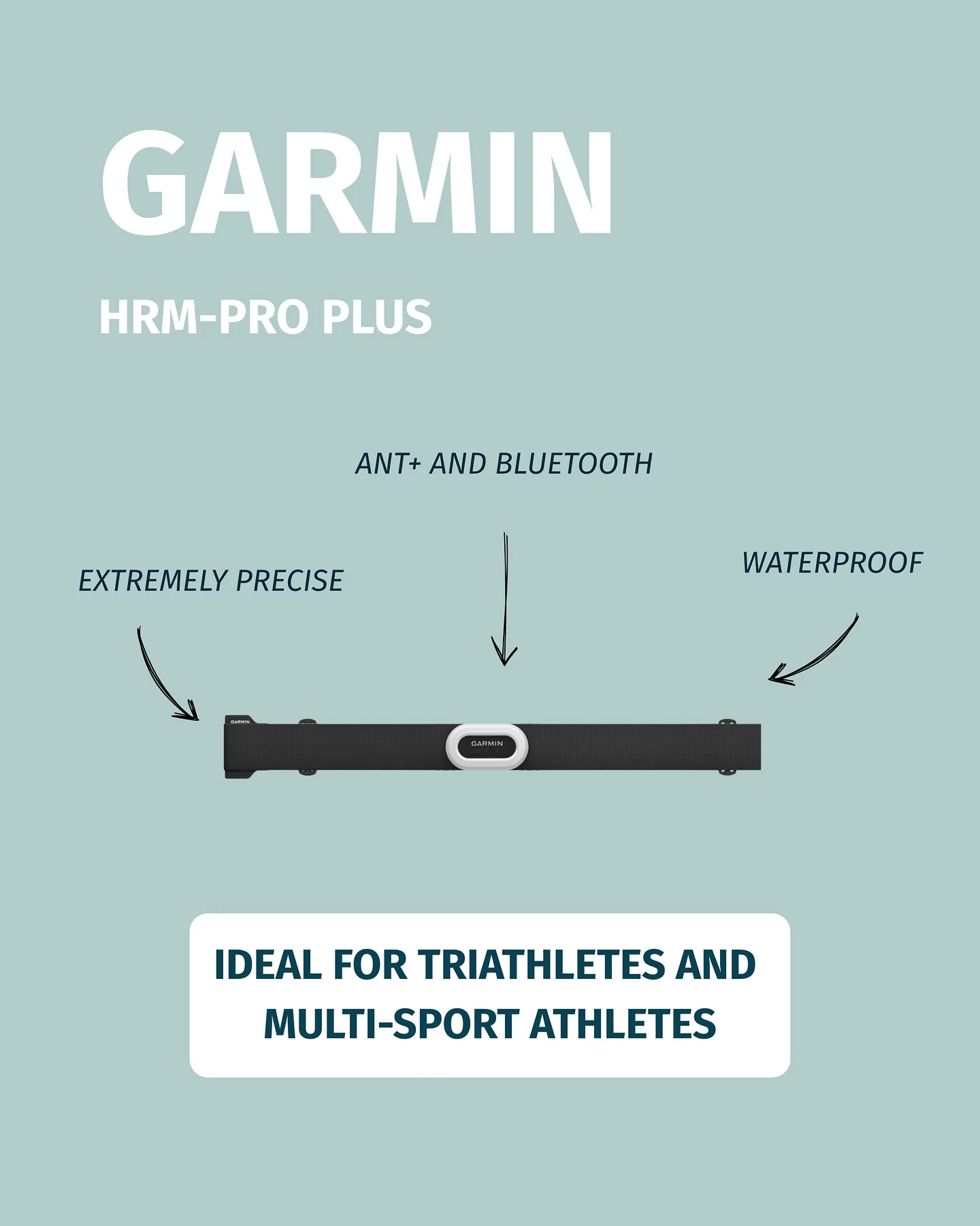
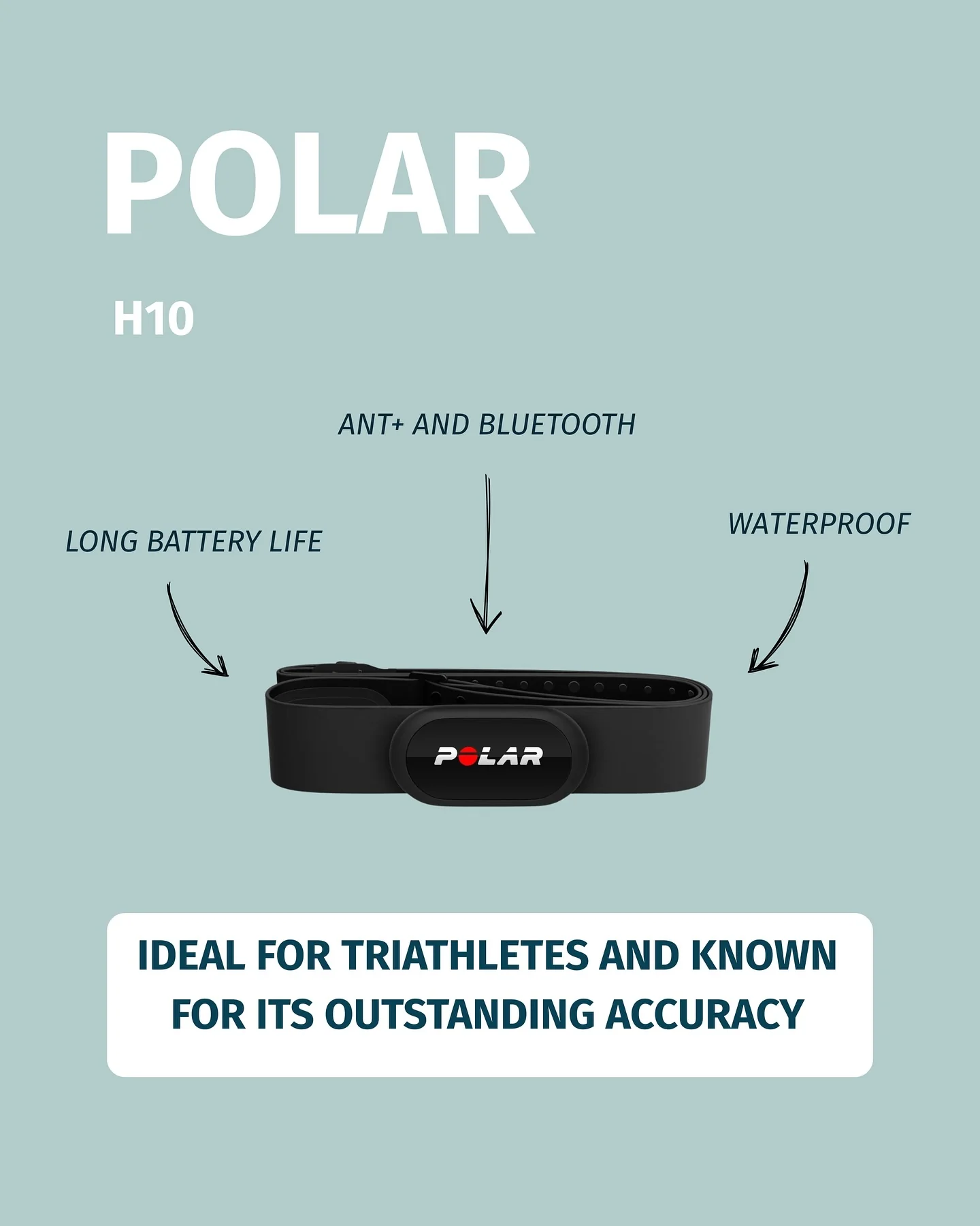
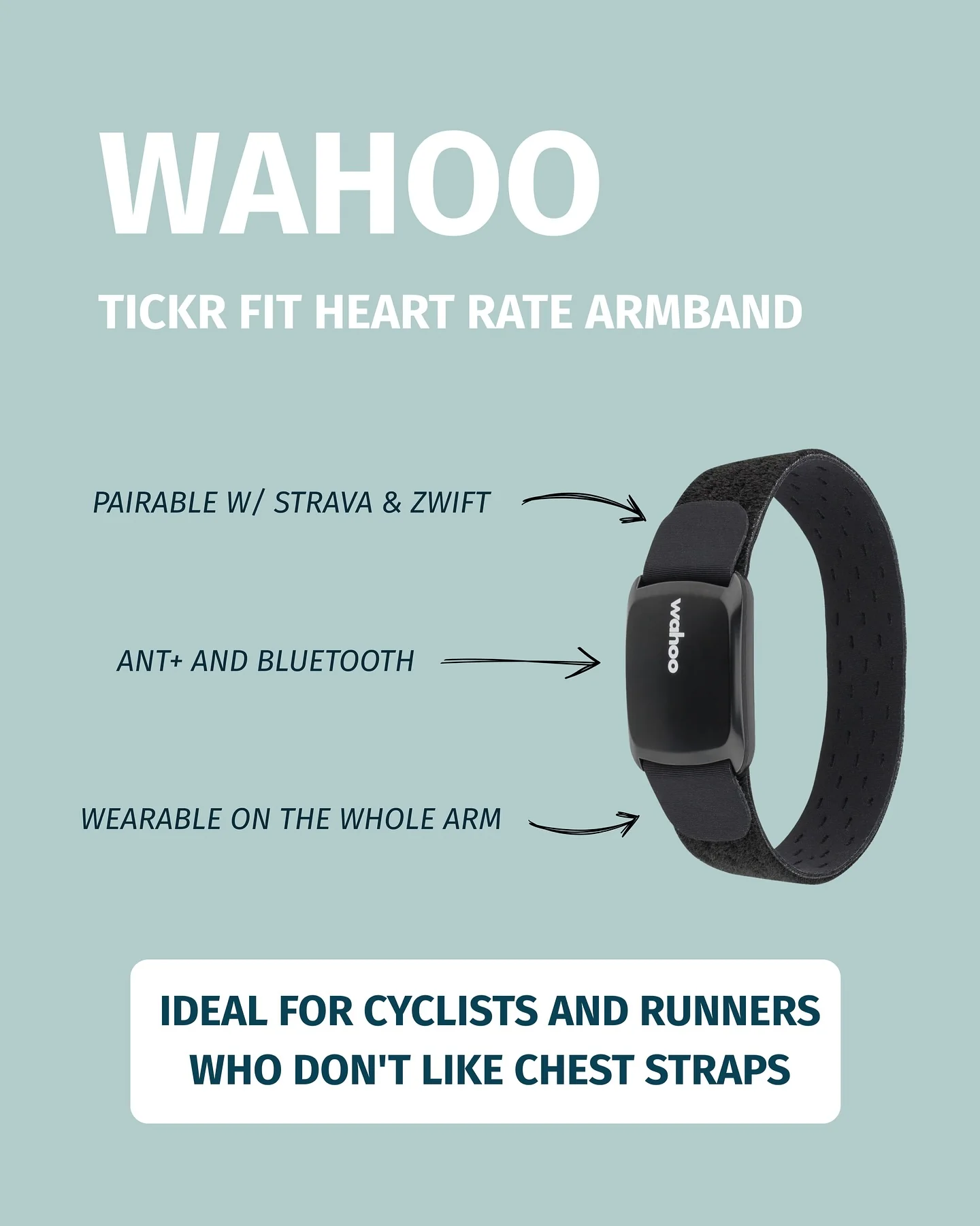
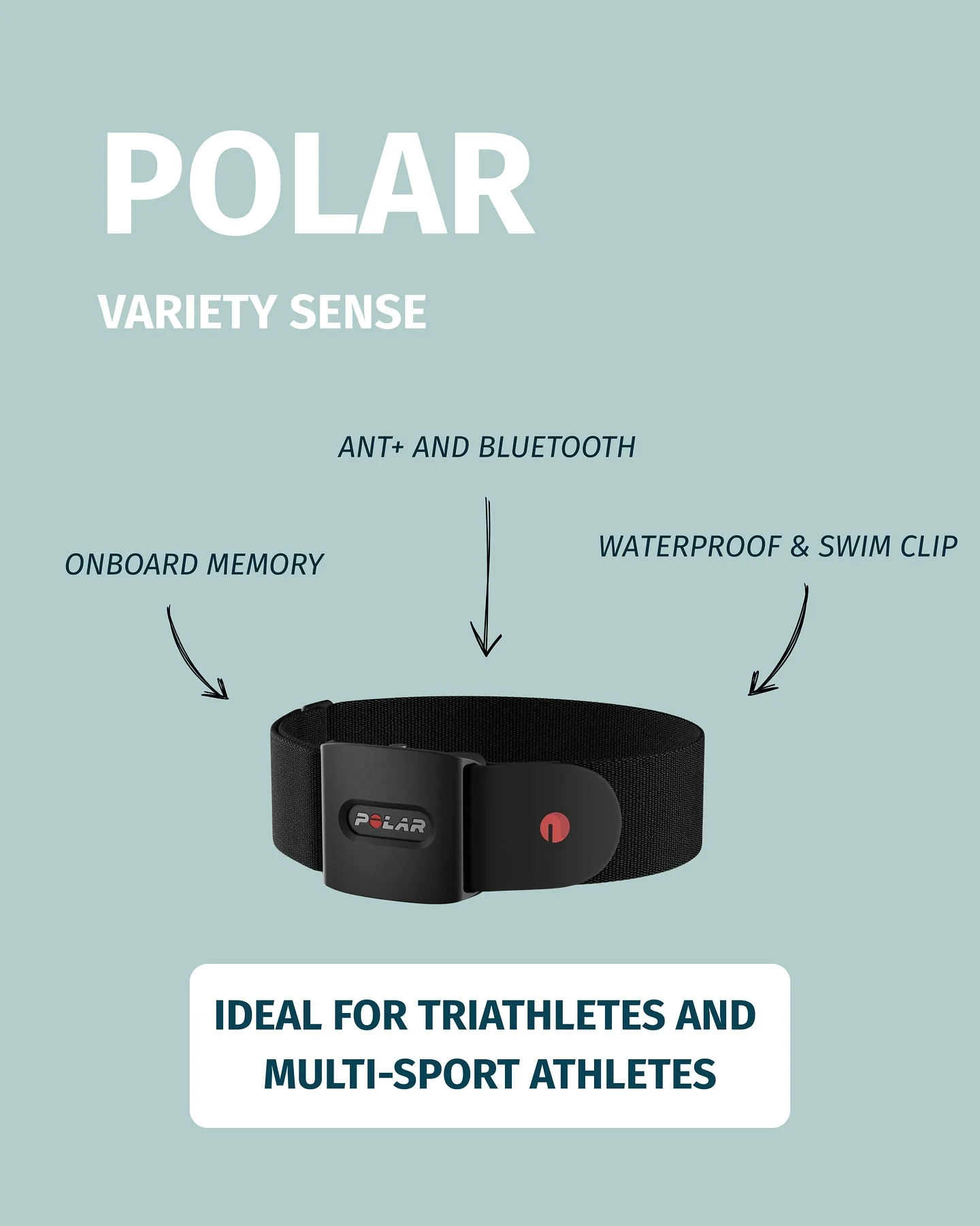
The Polar H10 is widely regarded as the gold standard for accuracy and reliability. The Garmin HRM-Pro Plus is excellent if you also want running dynamics data. Both connect via Bluetooth and ANT+, making them compatible with virtually any watch, bike computer, or app.
Can I use wrist-based heart rate for training?
For casual exercise and general activity tracking, wrist HR is adequate. For structured training with zones, intervals, and HRV monitoring, a chest strap is strongly recommended. The accuracy gap is too significant to ignore when training decisions depend on it.
How do I find my true HRmax?
The only reliable way is through a maximal effort test, ideally a ramp test or an all-out effort on a steep climb. Formula-based estimates (220 minus age) can be off by 10-20 beats. Better yet, a metabolic test like the A Faster You Powertest determines not just your max heart rate but all your individual thresholds, giving you a complete picture rather than a single number.
How often should I retest my zones?
Your physiology changes as your fitness improves. Retesting every 8-12 weeks ensures your zones stay accurate and your training remains effective.
Ready to train with precision? The A Faster You Powertest gives you 9 personalized heart rate zones based on your real metabolic data. Stop guessing, start training smarter.