Fueling for Endurance: How Many Carbs Do You Really Need?
You train hard. You eat well. But halfway through a long ride or a marathon, your legs turn to concrete and your brain goes foggy. That is the bonk, and it is almost always a fueling problem, not a fitness problem.
Understanding how many carbohydrates you need per hour, and how your body burns fuel at different intensities, is one of the biggest performance levers in endurance sport. This article breaks it all down.
The Bonk: What Actually Happens in Your Body
When you "bonk" or "hit the wall," your body has run out of its primary fast fuel: muscle glycogen. Here is the physiology behind it.
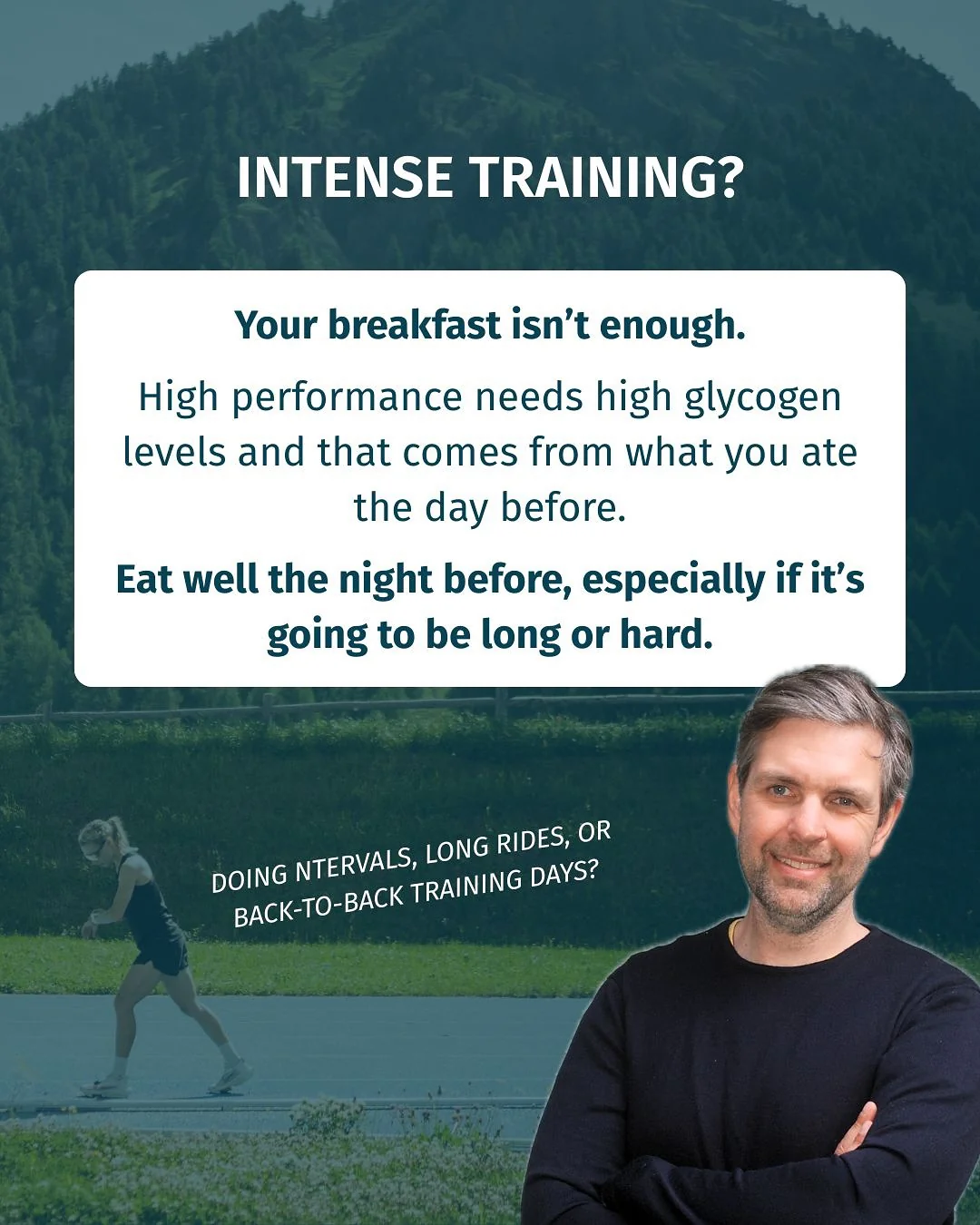
Your body stores roughly 400-500 grams of glycogen in your muscles and another 80-100 grams in your liver. At moderate to high intensities, your muscles burn through glycogen at a high rate. Once stores are depleted, your body is forced to rely almost entirely on fat oxidation, which cannot sustain the same power output.
The result: a dramatic drop in performance, mental fog, shaking, and the feeling that you simply cannot continue at the same pace. This is not a lack of willpower. It is a fuel tank running empty.
The good news: the bonk is almost entirely preventable with the right fueling strategy.
How Many Carbs Per Hour?
Current sports science guidelines recommend:
- 30-60 g/h for efforts lasting 1-2.5 hours
- 60-90 g/h for efforts lasting 2.5-4 hours (use a glucose-fructose mix for better absorption)
- 90-120 g/h for elite athletes or efforts beyond 4 hours (requires gut training)
These numbers might surprise you. Most amateur athletes consume far less than 60 g/h, often only 20-30 g/h, because they underestimate their needs or fear stomach distress.
The key insight: your gut is trainable. Just like your muscles adapt to training load, your intestines can adapt to process more carbohydrates per hour. Start at 40-50 g/h and increase by 10 g/h each week in training until you reach your target.
Your Personal Fuel Mix: Substrate Partitioning from the Powertest
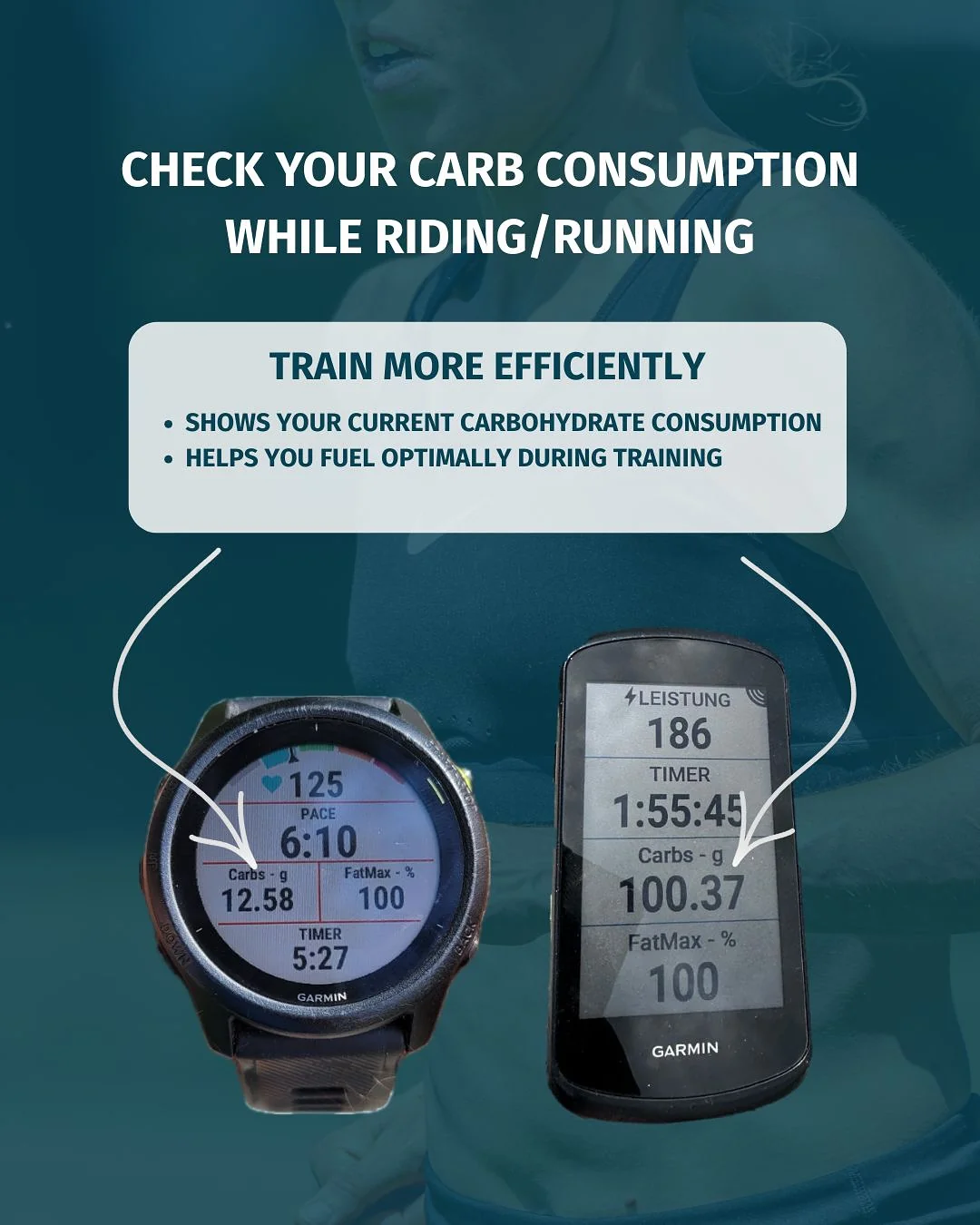
Generic fueling advice tells you to eat 60-90 g of carbs per hour. But how many carbs does your body actually burn at your specific training intensity? That is where the A Faster You Powertest changes the game.
The Powertest measures your exact substrate partitioning: how many grams of carbohydrates and fat your body burns per minute at every power zone. This data is unique to your physiology and tells you precisely:
- At which intensity you burn mostly fat (and can spare glycogen)
- At which intensity carbohydrate burning ramps up dramatically
- Your crossover point where carbs become the dominant fuel source
- Exactly how many grams of carbs per hour you need to replace at each intensity
The Power-Duration Impact: 196W vs. 235W
Here is where fueling gets truly measurable. Data from the Powertest PDF demonstrates how carbohydrate intake directly affects what power you can sustain over long durations.
Take this real example: with zero carbohydrate intake, an athlete can sustain approximately 196W for 3 hours before glycogen runs out. But with 60 g/h of carbohydrate intake, that same athlete can sustain approximately 235W for the same 3 hours.
That is a 20% increase in sustainable power simply from fueling correctly. No extra training, no equipment upgrade, no weight loss. Just carbohydrates at the right rate.
This is not theoretical. The Powertest calculates your individual power-duration curve for different fueling scenarios, showing you exactly what you can sustain and for how long.
Pre-Ride, During-Ride, and Post-Ride Nutrition
Before the ride (2-4 hours prior)
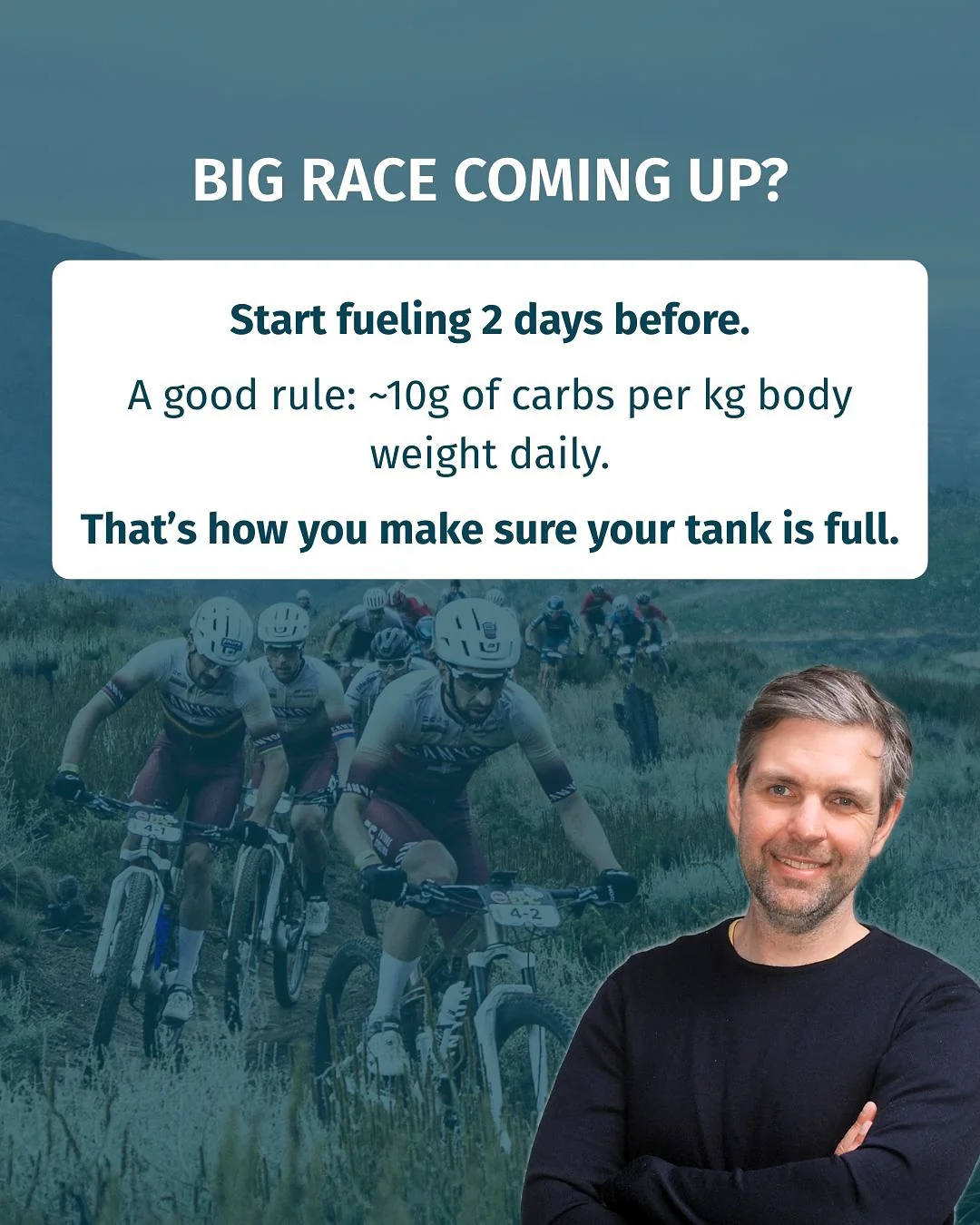
- Eat a carbohydrate-rich meal: 1-2 g of carbs per kg of bodyweight
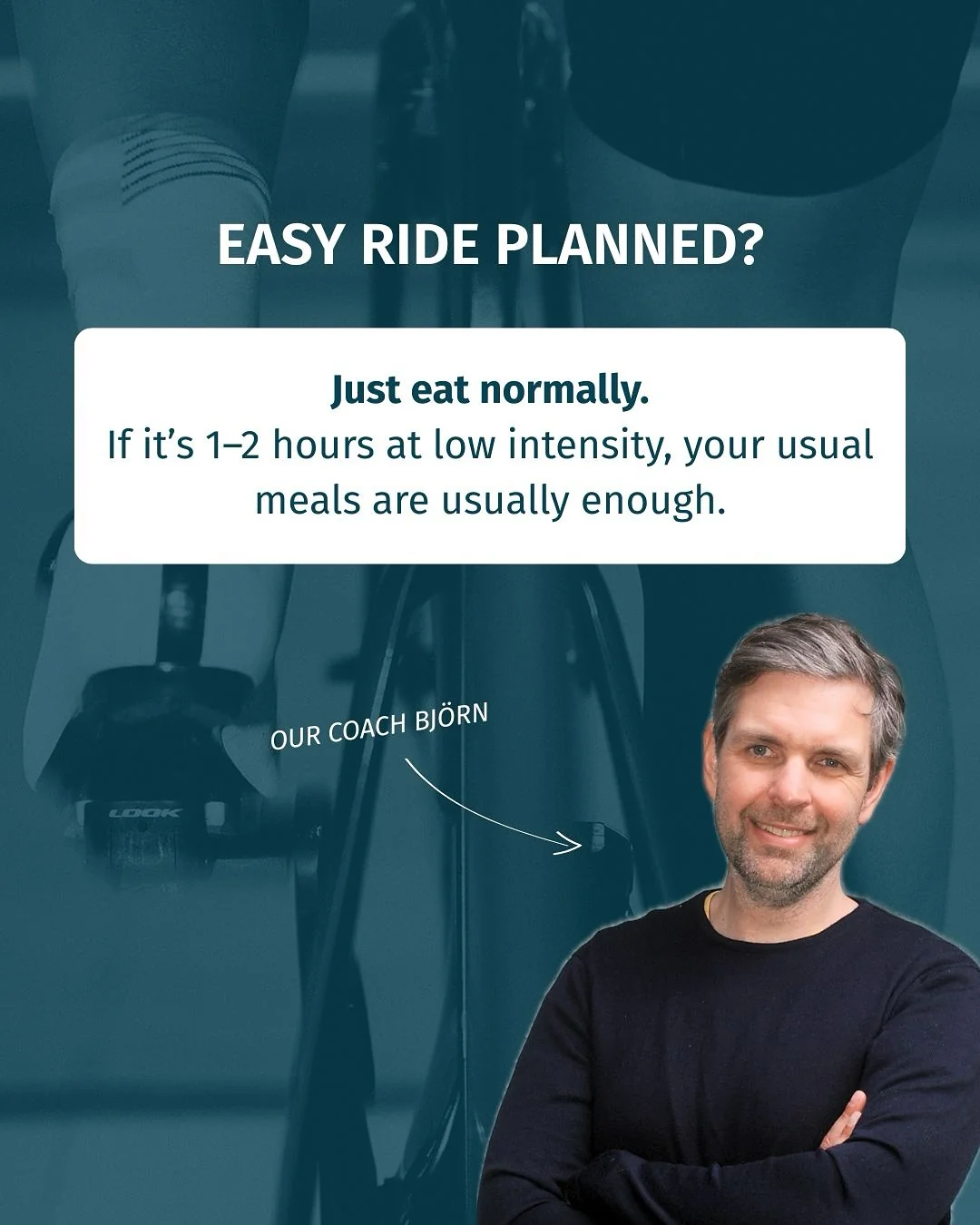
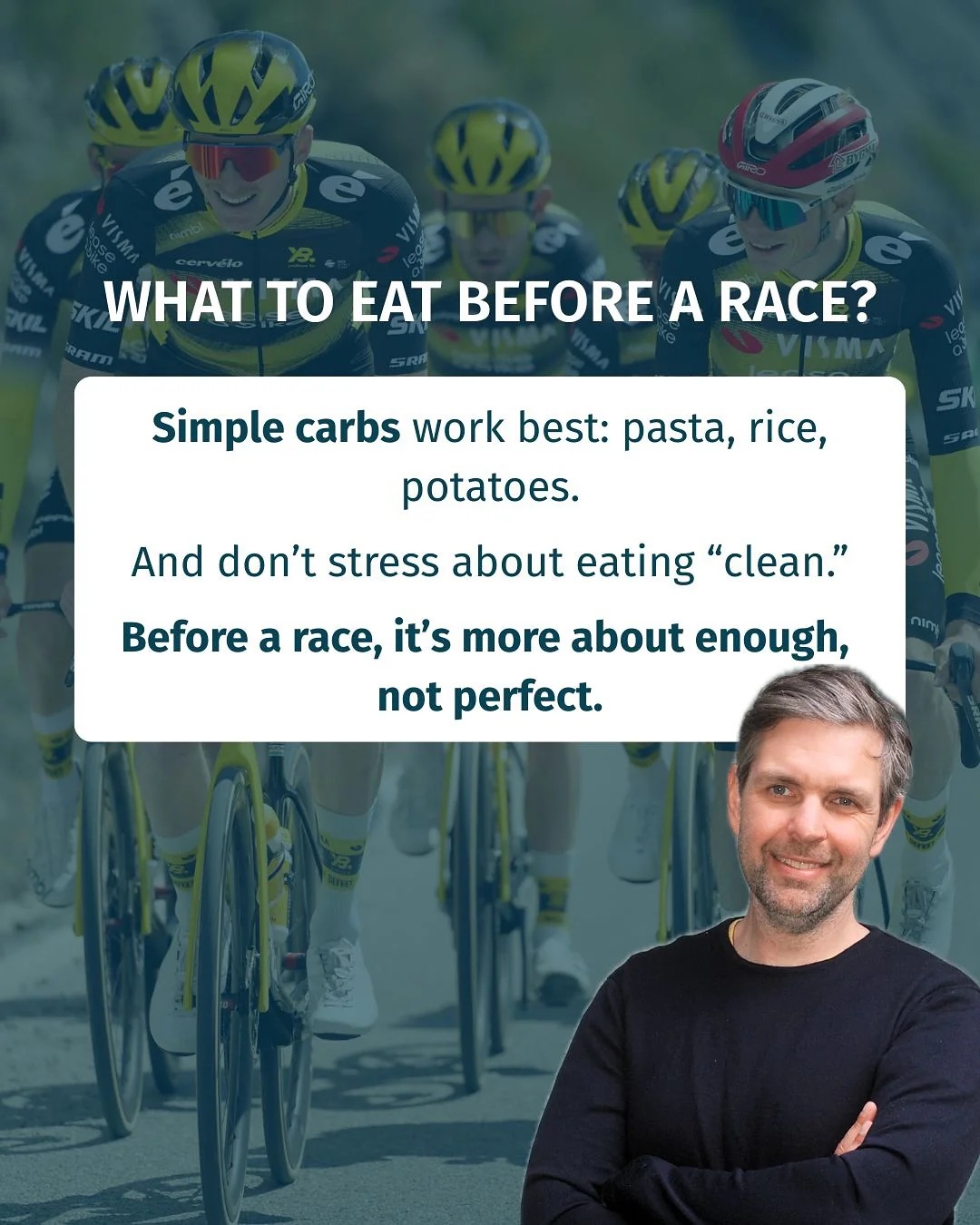
- Focus on easily digestible carbs: rice, bread, oatmeal, banana
- Avoid high fiber and high fat, which slow digestion
- Stay hydrated but do not overdrink
During the ride
- Start fueling early, within the first 30 minutes
- Use a mix of glucose and fructose for optimal absorption (2:1 ratio)
- Combine gels, bars, drinks, and real food based on preference
- Drink to thirst, roughly 500-750 ml per hour depending on conditions
- Practice your race nutrition in training, never try something new on race day
After the ride (within 30-60 minutes)
- Aim for 1-1.2 g of carbs per kg bodyweight to replenish glycogen
- Add 20-30 g of protein for muscle repair
- Rehydrate with 1.5x the fluid lost during exercise
Frequently Asked Questions
How do I train my gut to tolerate more carbs?
Start with a comfortable intake (30-40 g/h) and increase by 10 g/h per week during training rides. Use glucose-fructose mixes (like most modern gels and drink mixes) since they use different intestinal transporters and allow higher total absorption. Practice consistently for 4-6 weeks before a target race.
Can I ride fasted to burn more fat?
Fasted rides at low intensity can slightly increase fat oxidation rates over time, but the performance trade-off is significant. You will ride slower, recover harder, and risk muscle breakdown. The Powertest data shows your fat-burning zones precisely, so you can train fat oxidation at the right intensity without starving your body. Most coaches recommend fueling every ride and using intensity, not fasting, to drive metabolic adaptations.
How many carbs do I need for a marathon?
For a marathon at moderate intensity (3:30-4:30 finish), aim for 60-90 g/h. For a faster marathon (sub-3:00), 80-100 g/h is typical among elite runners. The exact number depends on your pace, your body weight, and your personal substrate partitioning. A Powertest with running protocol gives you the precise data for your individual needs.
What if I have a sensitive stomach?
Start with liquid carbs (sports drink) rather than gels or solids, as they are easier to absorb. Train your gut systematically at lower doses first. Avoid high-fructose products if fructose is your trigger. Some athletes tolerate real food (rice cakes, dates) better than processed gels. Finding what works for your gut is part of training, and it takes practice.
Want to know your exact carb burn per power zone? The A Faster You Powertest gives you your personal substrate partitioning data, so you can fuel with precision instead of guesswork. Stop leaving watts on the table.